Ulrich Lehmann · 20 September 2026
Inside the Mechanics of User Retention on Specialized Digital Platforms
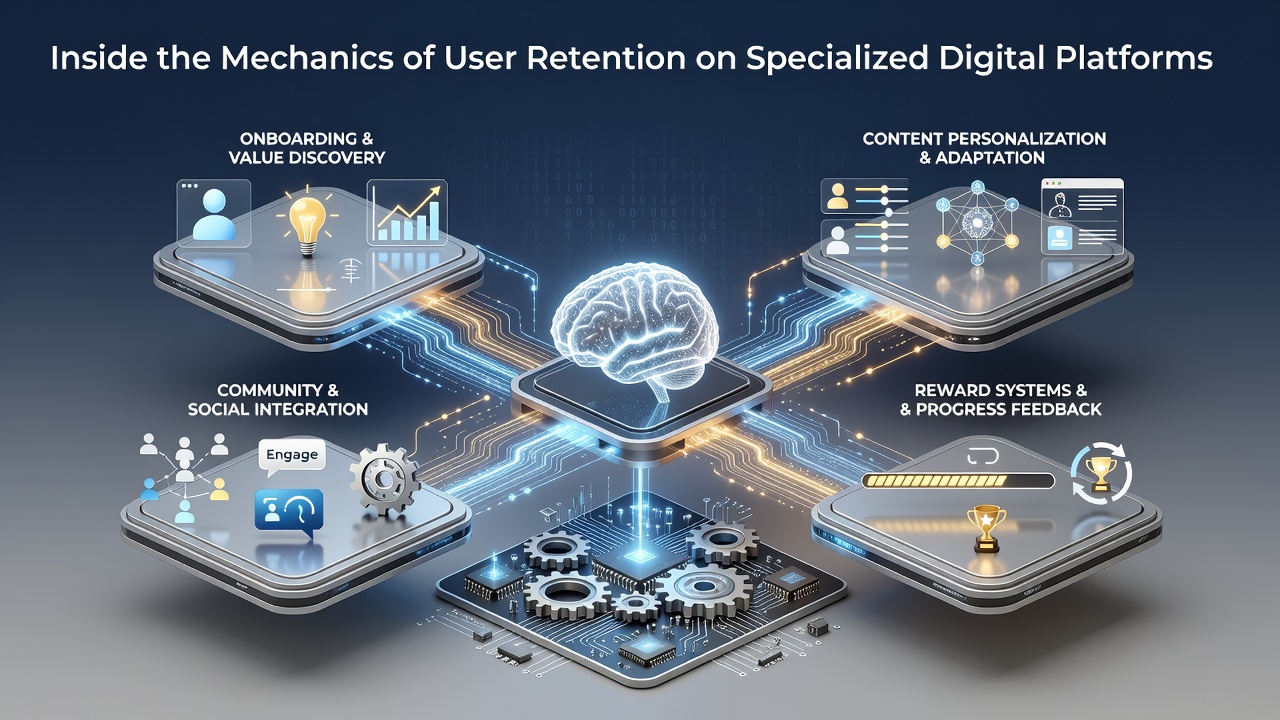
Specialized digital platforms operate through distinct retention systems that differ from general social networks because they target narrow user groups with precise needs and behaviors, and data from industry reports shows these platforms achieve higher long-term engagement when they focus on tailored features rather than broad appeal. Researchers at various institutions have tracked how onboarding sequences, content matching algorithms, and community governance tools combine to reduce churn rates across sectors like professional development sites, hobby forums, and niche SaaS applications. Platform operators collect behavioral signals during initial user sessions to build predictive models that anticipate drop-off points, while studies from academic sources indicate that users who complete three meaningful interactions within the first week demonstrate retention rates up to 60 percent higher than those who do not. These interactions often involve profile customization, content discovery, or connections with other members, and the systems trigger automated prompts to guide users toward these milestones without overwhelming them. Notification frameworks play a central role because they balance frequency with relevance, and figures from European digital economy analyses reveal that platforms adjusting notification timing based on user time-zone patterns and activity history see lower unsubscribe rates. At the same time, over-notification leads to immediate disengagement, so successful platforms employ machine learning to score each potential alert for expected value before delivery.Community Structures and Moderation Systems
Moderation tools maintain platform health by enforcing guidelines that protect niche discussions, and observers note that communities with transparent rule enforcement retain members longer than those relying on automated filters alone. Users participate in self-moderation through voting mechanisms and reporting functions, which creates shared ownership of the space and reduces the administrative burden on staff teams.
Specialized platforms often segment users into tiers based on contribution levels, granting additional privileges such as early access to features or influence over content direction as engagement deepens. This tiered approach appears in multiple case studies where participants who reach higher tiers exhibit churn rates 35 percent below the platform average according to internal metrics shared in industry roundtables.Data Analytics Driving Retention Decisions
Analytics pipelines process session duration, feature usage sequences, and social graph density to identify at-risk accounts, and platforms apply these insights through targeted interventions like personalized content recommendations or direct outreach from community managers. Research published by Canadian digital policy groups highlights how combining quantitative metrics with qualitative feedback surveys produces more accurate retention forecasts than either method used independently.
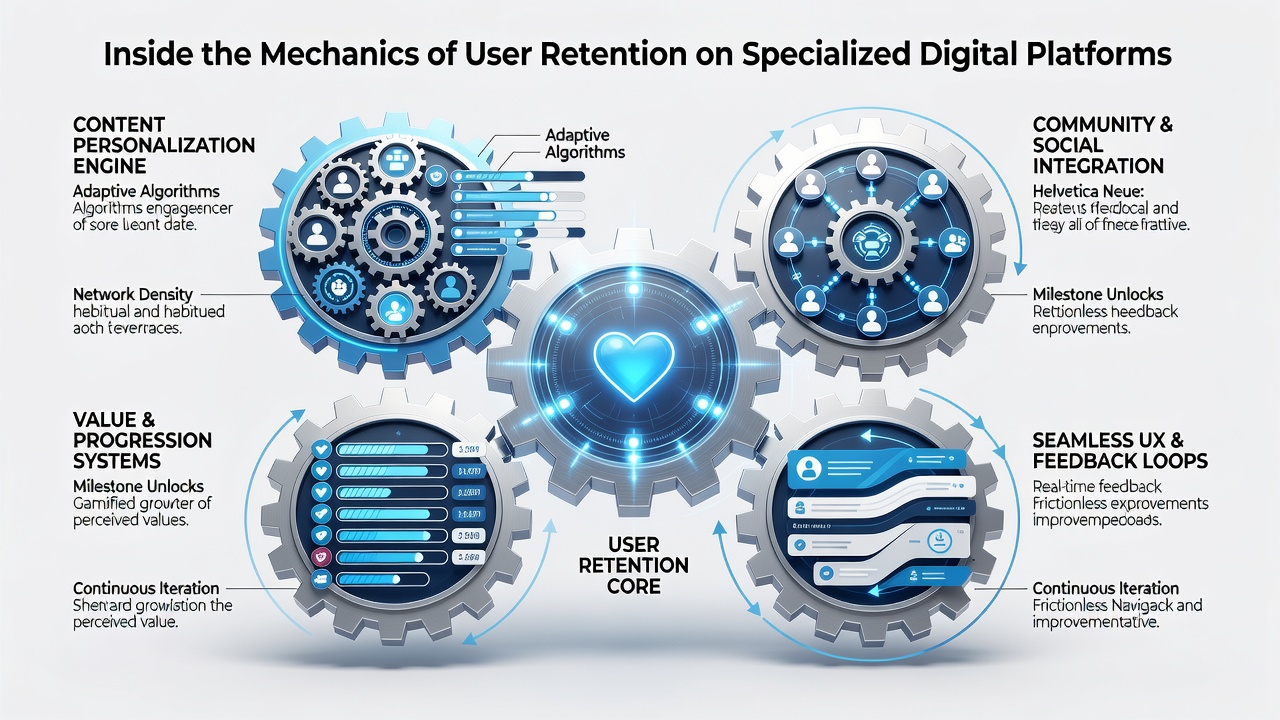 What's interesting here is that platforms active in September 2026 began integrating real-time sentiment analysis from user-generated content to refine these interventions further, allowing adjustments within hours rather than days. This capability emerged alongside broader adoption of privacy-compliant data processing standards across multiple jurisdictions.
Personalization and Content Delivery Mechanisms
Recommendation engines on these platforms prioritize depth over variety because users join for specific expertise or interests, and data indicates that surfacing highly relevant threads or resources increases repeat visits more effectively than trending-topic displays. Engineers design these systems to learn from both explicit preferences and implicit signals such as dwell time on particular content types.
Loyalty features including milestone badges, contribution leaderboards, and exclusive resource libraries reinforce continued participation, while external studies from Australian research centers show that gamified elements sustain engagement when they align with the platform's core purpose instead of feeling added on. Integration with external calendars or productivity tools also extends platform utility into users' daily routines, creating habitual access patterns.Conclusion
Specialized digital platforms sustain user bases through interconnected systems of onboarding guidance, behavioral analytics, moderated communities, and adaptive personalization that respond to evolving usage patterns. Evidence from multiple regions demonstrates that these mechanics function best when implemented cohesively rather than as isolated features, and ongoing refinements in data handling continue to shape how retention strategies evolve across the sector.